Understanding Ramzan in the Context of Pakistani Culture
Ramzan, known globally as Ramadan, holds profound significance in Pakistani culture, serving as a month of fasting, spiritual reflection, and community bonding. For Pakistani Muslims, this sacred period is not merely a time to abstain from food and drink from dawn to sunset; it is also an opportunity for deeper engagement in spiritual practices, such as prayer and reading the Quran. The act of fasting cultivates a heightened sense of empathy towards the underprivileged, encouraging charitable actions and social responsibility.
The element of community is particularly emphasized during Ramzan, as families and friends come together to break their fasts, typically beginning with dates and water, followed by a hearty meal called iftar. This communal gathering reinforces family ties and fosters a sense of belonging, especially for those living abroad. In many Middle Eastern countries, the Pakistani diaspora observes these traditions with fervor, often organizing larger gatherings within their local communities to share the experience of Ramzan. Public spaces may even transform into venues for large communal iftars, showcasing the richness of Pakistani culinary traditions.
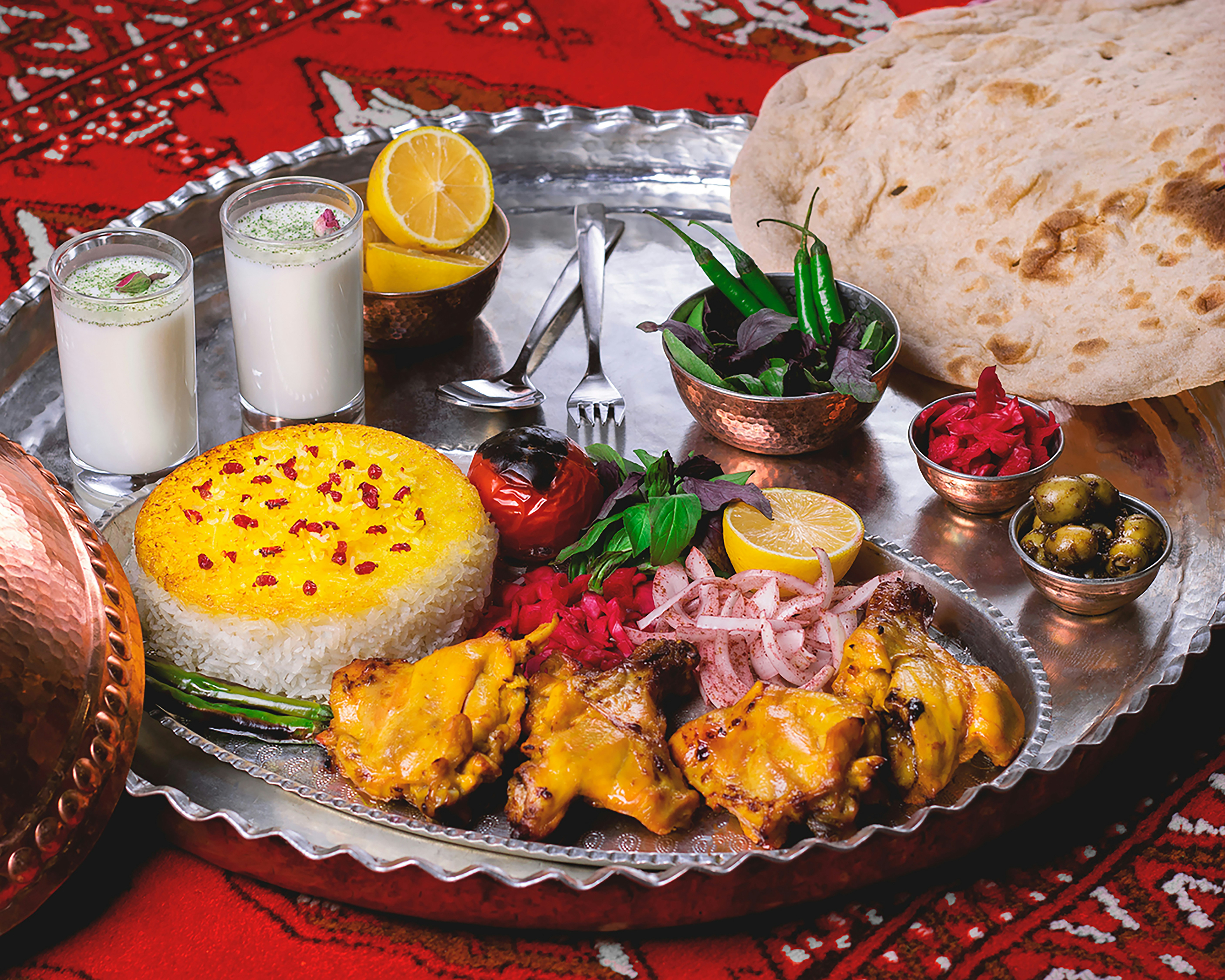
Culinary traditions during Ramzan also display the vibrant tapestry of Pakistani cuisine, with dishes that are specifically prepared for the occasion. Each evening, as the sun sets, tables are adorned with traditional foods that embody both heritage and creativity. From savory snacks like samosas and pakoras to sweet treats such as seviyan and sheer khurma, the diversity of flavors reflects the cultural identity of Pakistan. The significance of these meals extends beyond nourishment, serving as a mode of expression and connection to one’s roots.
In essence, Ramzan is a pivotal period in Pakistani culture, transcending individual spiritual practices and enriching communal bonds through shared rituals and culinary experiences. This observance offers a unique lens through which the Pakistani diaspora experiences their cultural identity, making it an integral aspect of their lives in the Middle East.
Traditional Pakistani Dishes Prepared During Ramzan
Ramzan is a month of spiritual reflection and fasting for Muslims, and it holds a special significance in the food culture of Pakistan. Throughout this holy month, a variety of traditional dishes are prepared and shared among families and communities. Each dish not only nourishes the body but also signifies the cultural heritage and communal bonds that flourish during this period.
One of the most popular dishes during Ramzan in Pakistan is kebabs. These grilled meat delicacies are typically made with minced meat, spiced expertly, and cooked over open flames. Kebabs can be found in various forms, such as seekh kebabs and shami kebabs, each offering a unique flavor profile. The communal aspect of preparing kebabs, often grilled in large quantities for family and friends, makes them a staple during iftar, the meal that breaks the fast.
Samosas are another quintessential Ramzan snack; these savory pastries are filled with a mixture of spiced potatoes, peas, or minced meat. Traditionally deep-fried to achieve a crispy texture, samosas are served with a variety of chutneys, which add a burst of flavor. The act of sharing samosas among loved ones after a long day of fasting reflects the essence of togetherness that characterizes the holy month.
Chutneys play an essential role in enhancing the dining experience during Ramzan. These condiments vary widely, from fragrant mint and coriander chutneys to sweet tamarind varieties. Each chutney offers a distinct taste and is often enjoyed as a dip alongside snacks like samosas or kebabs. The recipes for these chutneys may adapt slightly in the Middle East, utilizing local ingredients while still honoring their Pakistani roots.
In conclusion, the dishes prepared during Ramzan in Pakistan, such as kebabs, samosas, and chutneys, depict a rich culinary tradition that is cherished by many. The adaptations and sustenance of these foods in the Middle Eastern Pakistani diaspora further illustrate the enduring power of cultural identity through cuisine, providing both a taste of home and a means of maintaining connections to heritage.
Influences of Middle Eastern Cuisine on Pakistani Iftar Traditions
The celebration of Ramzan in the Pakistani diaspora presents a unique opportunity to explore the intricate interplay between Middle Eastern and Pakistani culinary traditions. This blend speaks to the cultural significance of food during Iftar, the meal that breaks the fast at sunset. As members of the Pakistani community reside in Middle Eastern countries, the proximity to local culinary practices has led to a dynamic exchange of flavors and dishes.
Traditionally, Pakistani Iftar meals are centered around a variety of fried snacks, fruits, and refreshing beverages such as Rooh Afza. However, during Ramzan, especially in the Middle East, Pakistani families have begun to embrace local dishes, integrating them into their evening meals. This culinary borrowing not only enriches the nutritional aspect of Iftar but also creates a unique dining experience that mirrors the fusion of cultural influences.
For instance, popular Middle Eastern appetizers such as hummus and tabbouleh have become staples on many Pakistani Iftar tables. These dishes complement the traditional items, offering a delightful contrast in flavors and textures. Additionally, the incorporation of grilled meats, such as kebabs and shawarma, represents a significant evolution in the meat offerings during Iftar, moving beyond the typical desi biryanis and kebabs.
The exchange is not limited to solid dishes; beverages too have seen innovation. For example, the use of dates for breaking the fast is a common practice in both cultures, but in the Middle East, they are often combined with various milk-based drinks or yogurt, enhancing the drinking experience. Pakistani families have started to adopt these variations, showcasing the influence of Middle Eastern cuisine in this important ritual.
This blending of culinary practices during Ramzan highlights how food serves as a cultural bridge, simultaneously honoring traditions while embracing new influences. As these families navigate their identities within a diverse environment, the resulting Iftar meals reflect a harmonious confluence of their Pakistani roots and local Middle Eastern flavors, illustrating the dynamic evolution of food culture in the diaspora.
Social and Cultural Implications of Food during Ramzan
Ramzan, a month of fasting and reflection for Muslims, goes beyond its spiritual significance, serving as a central pivot for cultural identity particularly among the Pakistani community residing in the Middle East. During this period, food transcends its mere nutritional value, transforming into a vital element that fosters a sense of belonging and continuity of cultural practices. The preparation of traditional dishes becomes a ritualistic endeavor that links individuals to their heritage, allowing them to retain their cultural roots despite being situated in a different geographical and social landscape.
Furthermore, sharing meals, especially during iftar—the evening meal that breaks the fast—plays a crucial role in strengthening community ties. Pakistani expatriates often gather to celebrate this daily occurrence, where the communal aspect of breaking fast with food fosters camaraderie and solidarity. This practice builds a support network, essential for those living away from their homeland. As families come together over food, they exchange stories, traditions, and religious observances, thus reinforcing their cultural identity and creating a shared sense of belonging.
The culinary practices that unfold during Ramzan are not static; they evolve through the experiences of diaspora living. As the Pakistani community interacts with other cultures within the Middle East, there is a blending of culinary traditions that enriches the Pakistani food landscape. New ingredients and cooking methods are incorporated, leading to innovative dishes that reflect both Pakistani heritage and the local influences. This evolution highlights the dynamic nature of food culture—wherein traditional practices can adapt while still maintaining their core significance during the sacred month. As such, food during Ramzan becomes a canvas on which the Pakistani diaspora paints their identity, embodying both their past and their present, and underscoring the importance of food in cultural preservation and community cohesion.