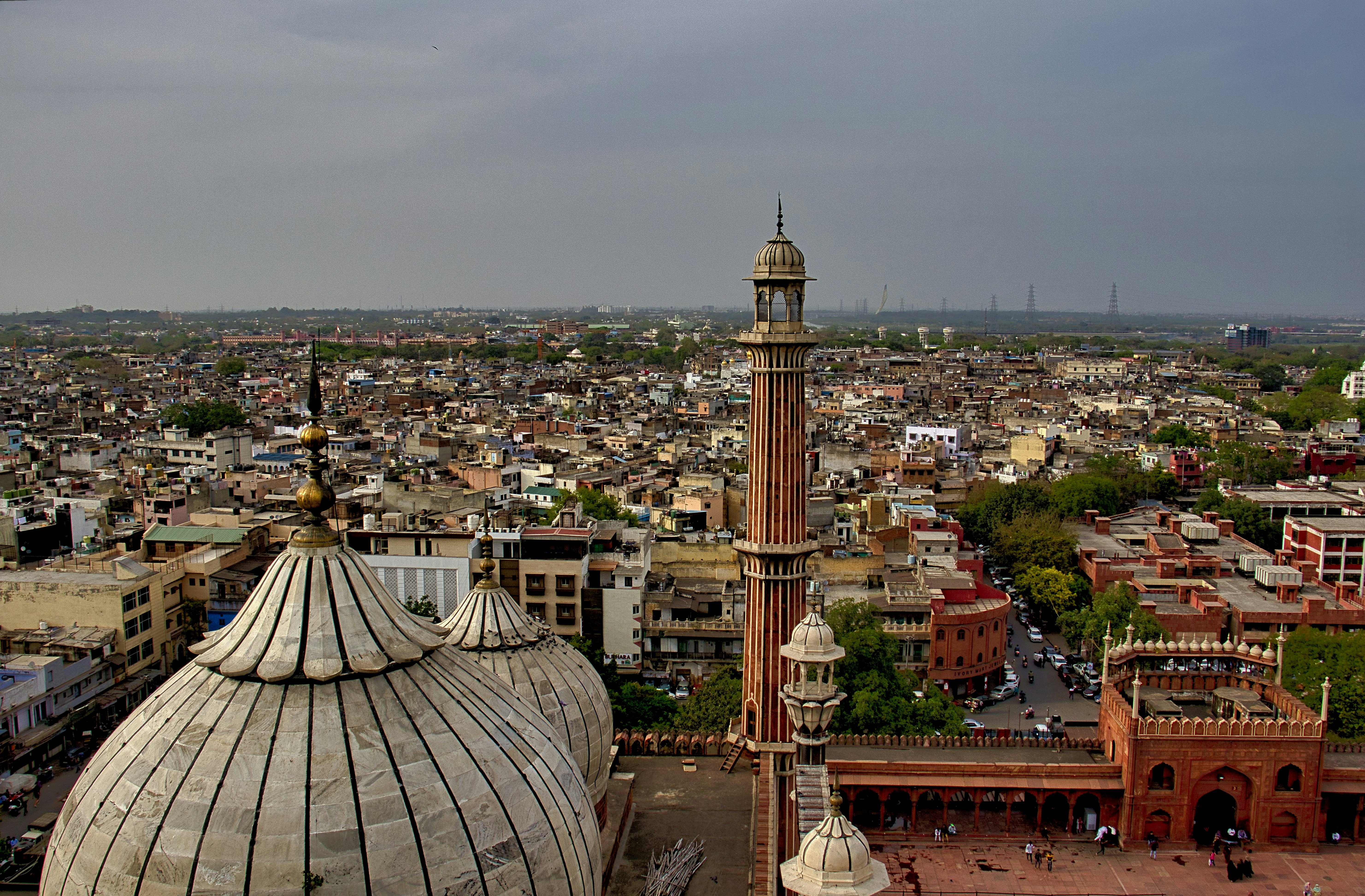
Introduction to Pakistan’s Urban Landscape
Pakistan, a country rich in diversity and cultural heritage, is home to some of the largest cities in the world, each brimming with unique characteristics and histories. Understanding the urban environment in Pakistan requires a nuanced look at its cities, where population size plays a crucial role in shaping both demographic and economic trends. The significant portion of the population residing in urban areas has a profound impact on the overall development of the country.
The rapid urbanization process in Pakistan has led to substantial increases in city populations, influencing infrastructure, services, and economic opportunities. Metropolitan areas like Karachi, Lahore, and Faisalabad exemplify this surge, serving as hubs of commerce, industry, and culture. These cities not only attract individuals seeking better livelihoods but also contribute to the nation’s GDP through various sectors such as manufacturing, trade, and services.
In recent years, the urban population has steadily grown, with projections indicating that more than half of Pakistan’s overall population may reside in cities by 2050. This anticipated growth poses both opportunities and challenges; while economic prospects in urban settings continue to expand, urban planners and policymakers must address issues related to urban poverty, housing shortages, traffic congestion, and environmental sustainability.
As we delve deeper into the specific cities within Pakistan, it’s important to recognize how urban environments are intertwined with national identity and socio-economic development. Each city contributes uniquely to the fabric of the nation, highlighting the importance of population metrics in understanding these dynamics. This exploration will provide insights into how these urban centers are evolving amidst contemporary challenges and growth trends.
Karachi: The Metropolitan Giant
Karachi, often referred to as the metropolitan giant of Pakistan, stands as the largest city by population within the country’s borders. Its historical growth trajectory is steeped in an evolution from a modest fishing village in the early 18th century to a bustling metropolis today. This transformation has been largely influenced by its strategic coastal location along the Arabian Sea, making it a focal point for trade and commerce.
The city’s diverse population is one of its defining characteristics. Karachi is home to millions of residents, representing a mosaic of ethnicities, languages, and cultures. This diversity contributes significantly to the vibrancy of the city, bringing together traditions from various parts of Pakistan as well as from neighboring countries. The melting pot of cultures not only enriches the social fabric of Karachi but also enhances its economic dynamism.
Economically, Karachi serves as the backbone of Pakistan’s industry, generating a substantial portion of the nation’s revenue. The port city houses numerous financial institutions, manufacturing hubs, and multinational corporations, further solidifying its position as a key player in both regional and national economies. The thriving sectors such as textiles, information technology, and shipping add to its importance on a global scale.
Despite its status as a commercial powerhouse, Karachi faces several challenges that impede its growth. Rapid urbanization has resulted in significant pressures on infrastructure and social services, leading to traffic congestion, inadequate housing, and environmental degradation. The city struggles with the provision of essential services such as clean water, waste management, and healthcare, which are crucial for supporting its vast population. Addressing these challenges remains vital for sustaining Karachi’s growth and enhancing the quality of life for its inhabitants.
Lahore: The Cultural Heart of Pakistan
Lahore, the second largest city in Pakistan, boasts a population of over 11 million residents, making it a vibrant metropolis that plays a crucial role in the socio-economic fabric of the country. Known historically as the heart of Punjab, Lahore is renowned for its rich cultural heritage, showcasing a blend of traditions that date back centuries. The city’s historical significance is evident in its architecture, monuments, and the arts, which continue to thrive amidst modern advancements.
The economy of Lahore is diverse, with significant contributions from various sectors such as manufacturing, trade, and services. As a hub of commerce, it serves as a critical node for business activities, providing numerous job opportunities to its populace. The city’s dynamic industrial landscape includes textile manufacturing, information technology, and food processing industries, driving economic growth and attracting both local and foreign investment.
In addition to its economic activities, Lahore is often celebrated as a cultural epicenter in Pakistan. The city is alive with festivals that reflect the local traditions, such as Basant, the spring festival, which attracts numerous visitors eager to witness the vibrant kites that adorn the skies. Additionally, Lahore’s culinary scene is unmatched, with a plethora of dining options ranging from street food to upscale restaurants. The famous Lahori cuisine, characterized by its rich flavors and spices, draws food lovers from all over the country and beyond.
The educational landscape of Lahore is equally impressive, hosting some of Pakistan’s top universities and academic institutions. These centers of learning contribute to the city’s reputation as a cradle of knowledge and intellectual growth, nurturing future leaders and innovators.
Overall, Lahore stands out not only for its large population but also for its significant contributions to the culture and economy of Pakistan. Its historical relevance, coupled with its modern advancements, illustrates why Lahore is often referred to as the cultural heart of the nation.
Faisalabad and Islamabad: Emerging Urban Centers
Faisalabad, often referred to as the Manchester of Pakistan, is notable for its rapid industrial growth and extensive textile production. Over recent decades, the city has experienced a remarkable increase in population, driven by its thriving economy, which attracts individuals from various regions seeking employment opportunities. This industrial hub not only contributes significantly to the national economy but also shapes the urban landscape with modern infrastructure and facilities. The blend of traditional manufacturing and modern technological advancements in Faisalabad marks its evolution into a pivotal urban center within Pakistan.
On the other hand, Islamabad serves as the capital city, distinguished by its unique combination of historical significance and modern development. Designed in the 1960s, the city features a layout that incorporates green spaces, wide avenues, and contemporary architecture, making it an attractive place for residents and visitors alike. The population of Islamabad has been steadily increasing, not just due to its status as the political heart of Pakistan, but also because of its educational institutions, cultural attractions, and quality of life. This rise in population signals the city’s growing importance in the wider socio-economic framework of the country.
Both Faisalabad and Islamabad illustrate the dynamic urban growth occurring in Pakistan, reflecting shifts in demographics and economic activity. While Faisalabad is characterized by its industrial vitality and foreign investments, Islamabad stands out for its administrative significance and cultural heritage. Looking forward, the development trajectories of these cities are crucial as they adapt to increasing population pressures and the demands for sustainable urban planning. Each city’s future will hinge on its ability to balance growth with livability, ensuring that the needs of current and future residents are met in this evolving landscape.